Dr Michael Pucci gives the summary to chapters 26 – 30 in Annals of a Quiet Neighbourhood during the monthly meeting of Casa Coraggio – an online discussion group for works by George MacDonald.
Watch the video on YouTube here:
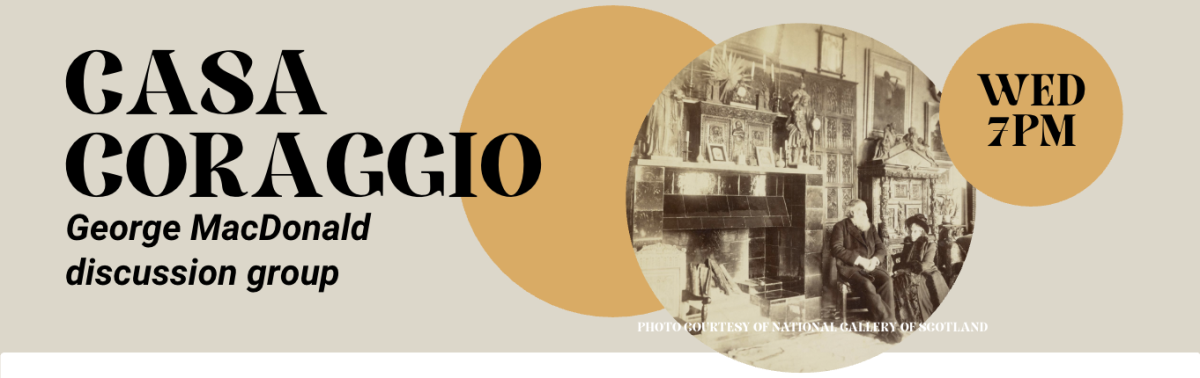
Dr Michael Pucci gives the summary to chapters 26 – 30 in Annals of a Quiet Neighbourhood during the monthly meeting of Casa Coraggio – an online discussion group for works by George MacDonald.
Watch the video on YouTube here:
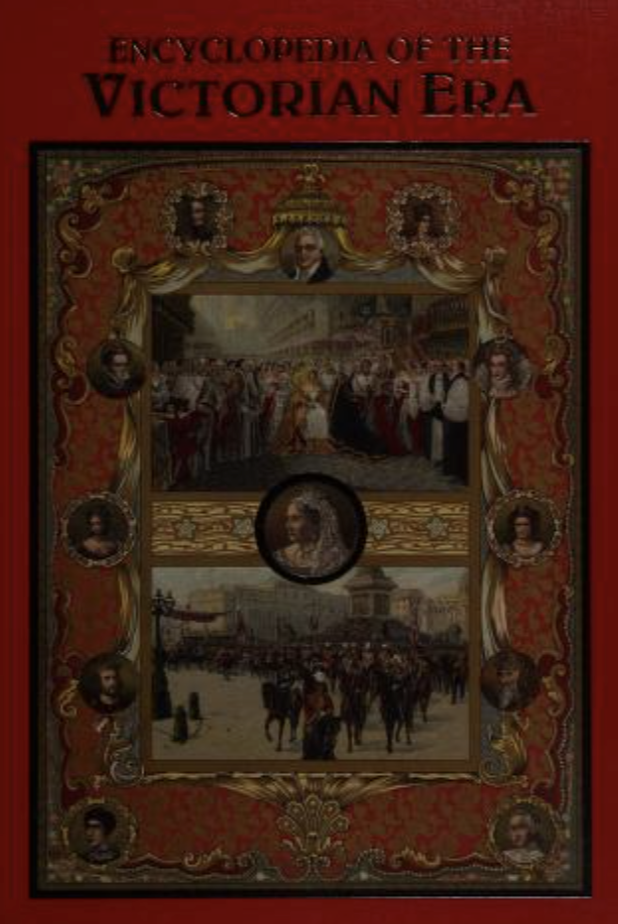
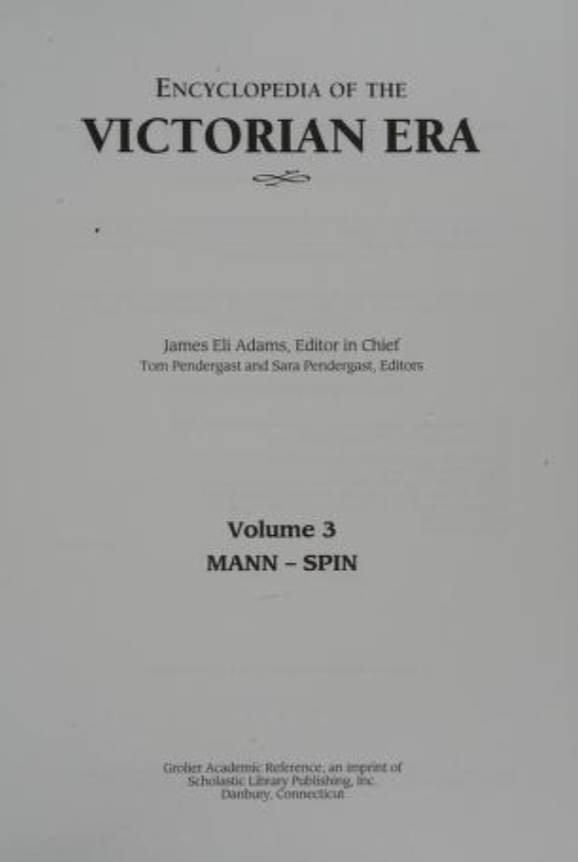
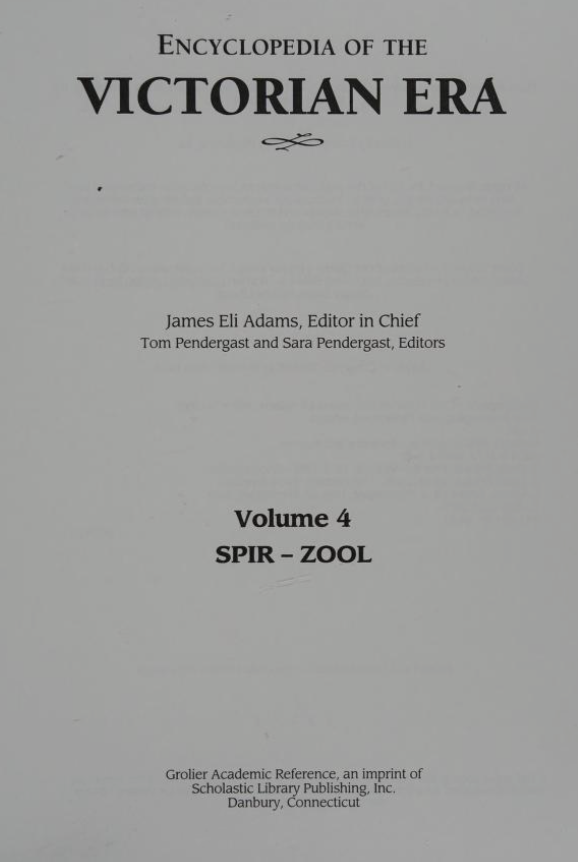
Explore this encyclopedia of the Victorian Era on the Internet Archive. (Four volumes – click on gray image to access.)
The setting of Annals of a Quiet Neighborhood is a fictional village called Marshmallows however we are not specifically told what year the story starts. We know that George MacDonald was a clergyman from 1851-53 in the real village of Arundel and the story first appears in serialized form in 1865 so we may surmise that the events take place around the years 1850 – 1860.
This is important because the Victorian Era was a period of incredible change in the UK:
The Victorian era was truly an era of transformation and modernization, as Great Britain saw massive shifts – of people from the countryside to the cities; of politics from elite to democratic rule; of commerce from small shops to large factories and corporations; of religious commitment from established churches to disparate faiths or no faith at all; and of culture from local to national orientation. All of these attributes and many others – especially achievements in literature, science, and the arts – coalesced to form a distinctly Victorian culture.1
If we know the approximate time period we can learn more about what life was like for the characters and perhaps understand better the context George MacDonald was writing about. A major theme of the book is helping the poor and people could be very poor in 1850. Almost half the population was illiterate, diseases that affect few people today were very commonplace back then, electricity and cars haven’t arrived yet and so on.
Mr Walton faces a huge task in ministering to his parishioners. I wonder how his high regard for everyone in his parish and his regular sacrifices for them was received by readers in 1865 and 2026?
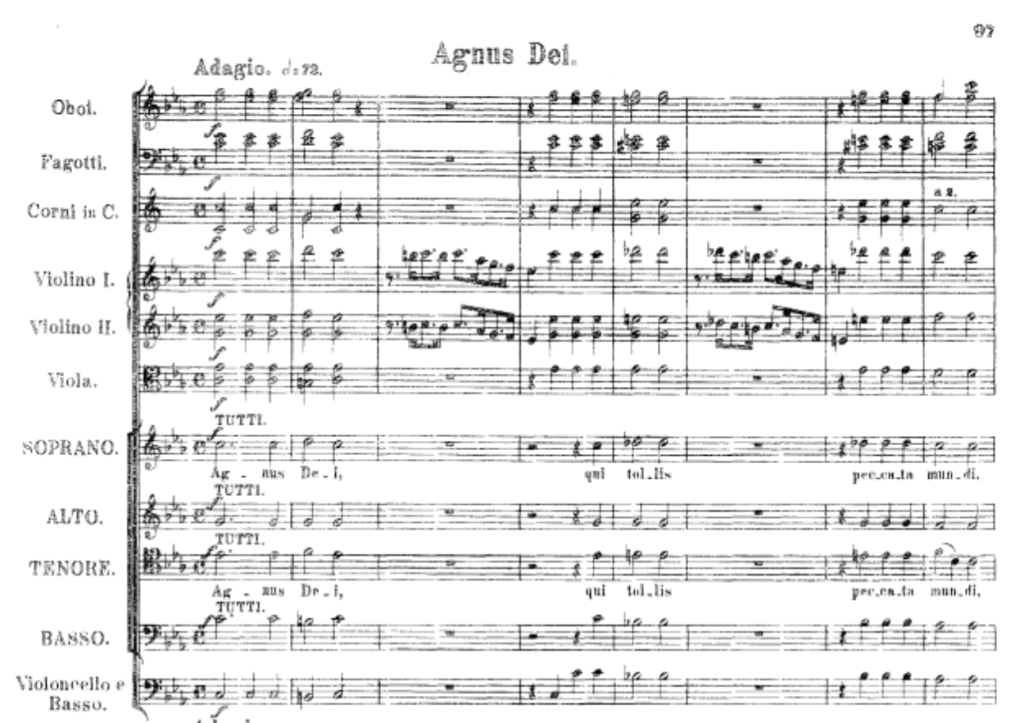
In chapter twenty-three entitled, “The Devil in the Vicar” of Annals of a Quiet Neighbourhood, the character Mr Walton hears the church organ playing:
… the old organ woke up and began to think aloud. As if it had been brooding over it all the week in the wonderful convolutions of its wooden brain, it began to sigh out the Agnus Dei of Mozart’s twelfth mass upon the air of the still church, which lay swept and garnished for the Sunday.
Of course I wanted to listen to this work and started an online search. I searched for a twelfth mass by Mozart and found one but not the one Mr Walton heard because that piece, popular in the 1860s1, was written by Wenzel Muller.2 It is interesting to think that George MacDonald would have associated this piece with Mozart his entire life. A good example of mis-attribution playing throughout history.
Read this in the novel on the online shared document: https://docs.zoom.us/doc/gtD9UyrgRruzjsCe4rY5tA?comment=dc8ec0eb7ffd4af3a404fb01de2a5b96&source=docs&commentType=1